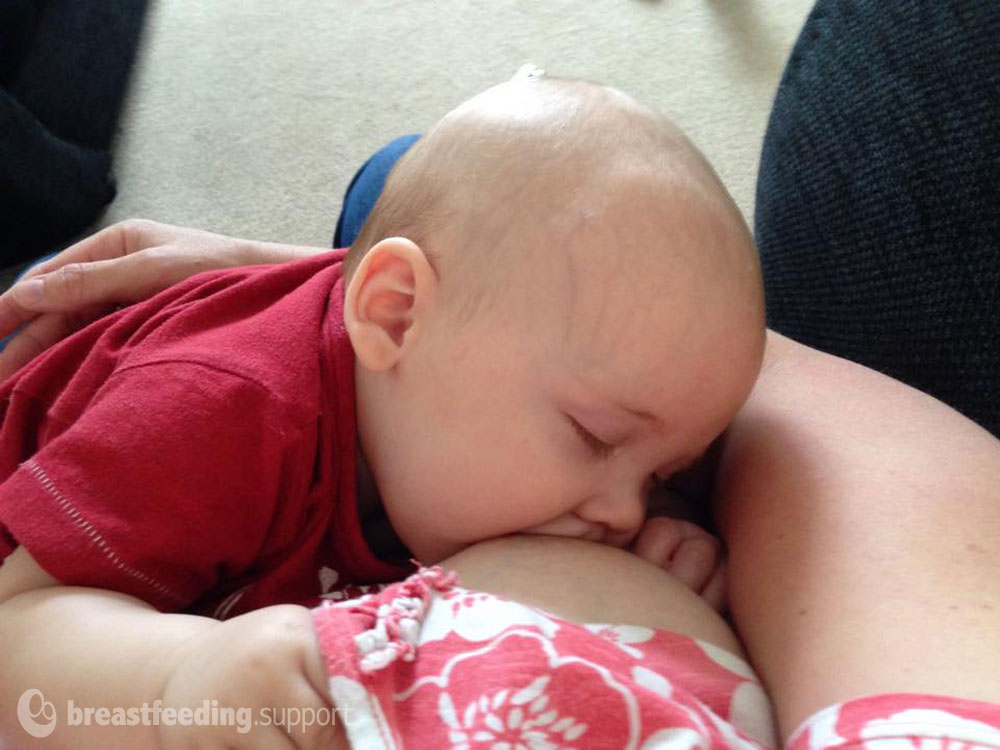
Breastfeeding to Sleep: Bad Habit or Loving Parenting Tool?
Many mothers are advised not to let their baby fall asleep while breastfeeding, fearing it could form a difficult habit to break later on. But is nursing to sleep truly a problem—or could it actually be one of the most natural and effective tools a mother has?
🌙 Is Nursing to Sleep a “Magic Trick†for Better Sleep?
1. Helps babies fall asleep easily, day or night:
The rhythmic motion of sucking and the sleep-inducing hormones in breast milk help soothe your baby into sleep while also supporting the development of their circadian rhythm.
2. Provides more nourishment:
Falling asleep at the breast offers babies additional milk and calories, which are essential for growth.
3. Strengthens emotional well-being:
Breastfeeding to sleep creates a deep sense of safety, calm, and contentment for your baby—exactly what their growing brain needs. It’s a gentle, loving approach that contrasts the “cry it out†method.
4. Convenient and flexible for moms:
Whether at home or out and about, breastfeeding is a reliable way to help your baby fall asleep anywhere, anytime. Using a sling allows you to nurse hands-free while moving around.
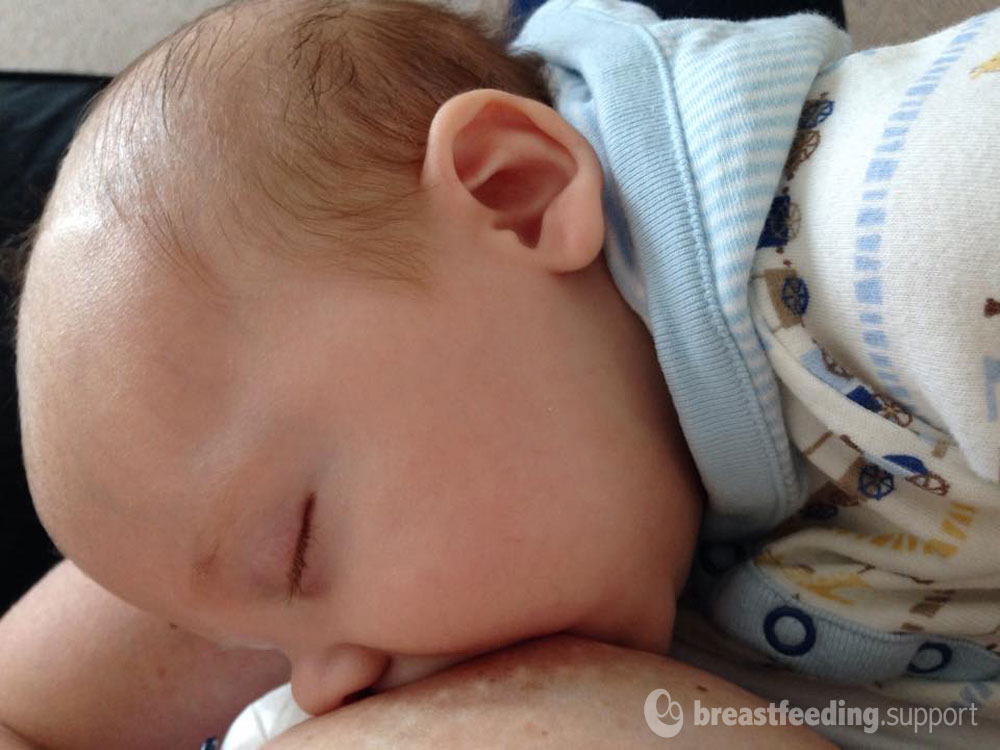
💤 Challenges of Nursing to Sleep – and Smart Solutions
1. You’re not always available to nurse:
If you’re managing older siblings or other responsibilities, try nursing in a sling so you can multitask without needing to sit in a quiet room.
2. Others can’t breastfeed your baby to sleep:
If you’re away, don’t worry—partners, grandparents, or caregivers can find their own comforting ways to soothe your baby to sleep.
3. All babies eventually learn to fall asleep on their own:
There’s no need to rush. If you wish to support that transition, you can gently introduce other soothing routines like reading, rocking, or soft music to help baby fall asleep without the breast.
â“ Why Do Some Health Professionals Discourage It?
Some advisors push for babies to “self-soothe†as early as possible. Yet this expectation ignores what’s developmentally appropriate for infants. After all, no one worries that adults sleeping next to their partners are failing to “self-soothe,†right?
The truth is:
-
Your baby won’t nurse to sleep forever
-
Independence comes from feeling secure—not from being pushed before they’re ready
-
Breastfeeding to sleep is a biologically normal part of infancy
🌱 How to Gently Transition Away from Nursing to Sleep
-
Create new bedtime rituals: A warm bath, a story, or cuddles can signal sleep time.
-
Unlatch before baby falls into deep sleep: Once feeding slows, try gently removing the nipple before baby is fully asleep. If they stir, soothe with back rubs or soft rocking.
-
Try separate sleep surfaces: A floor mattress next to your bed can make it easier to slip away without waking baby.
-
Negotiate with toddlers: Once they can understand, you can start setting simple sleep boundaries together.
-
Explore more tips: Books like The No-Cry Sleep Solution offer gentle ideas for easing night wakings and introducing new sleep associations.
-

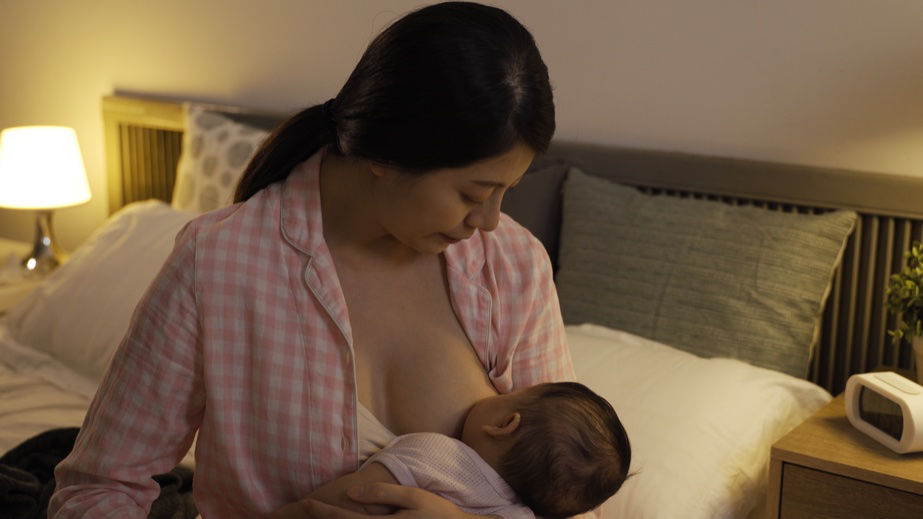
💡 Bottom Line: Nursing to Sleep Is Normal—And Beautiful
Avoiding breastfeeding to sleep out of fear of future habits can make motherhood harder and more stressful. Nursing to sleep is a natural, soothing way to care for your baby—one that strengthens your bond and helps you both rest better.
Just like babies learn to crawl and walk when they’re ready, they’ll also learn to sleep without the breast in time. Until then, there’s no need to deny them this simple comfort.
Trust your instincts—you’re doing a wonderful job.