What is the Nipah virus, the pathogen triggering quarantines in India and worrying the WHO?
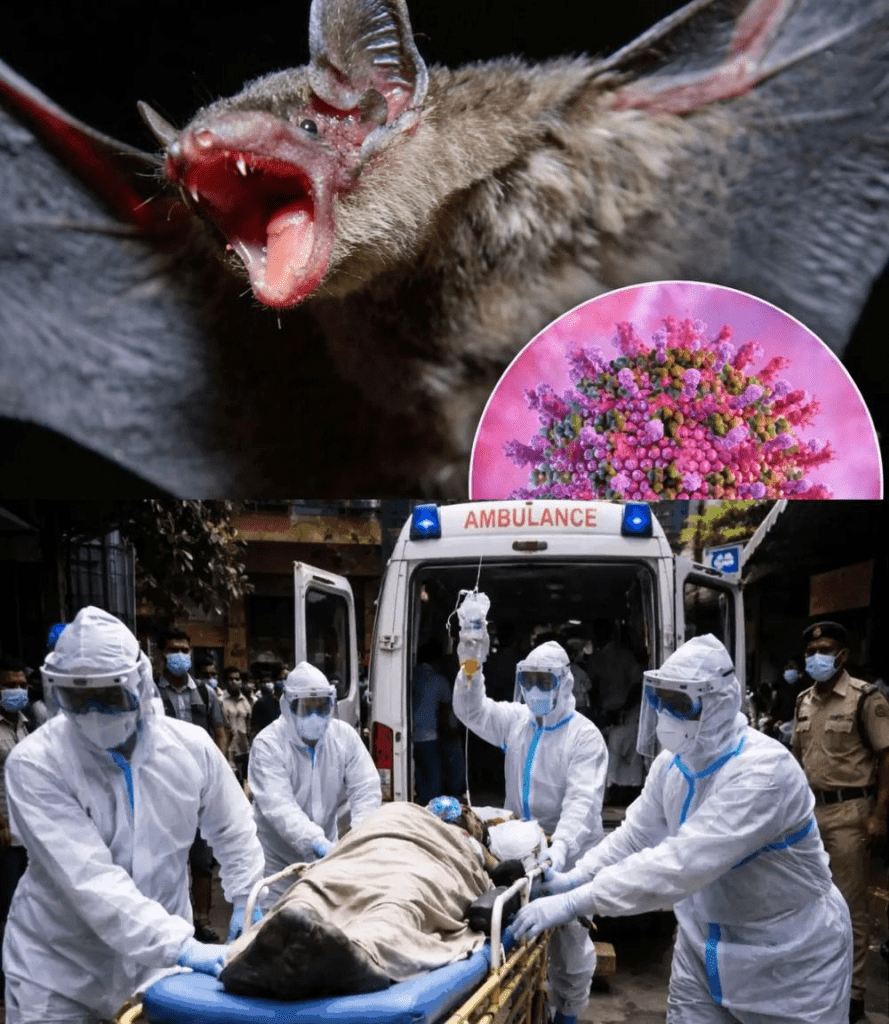
India remains on high alert after several cases of the Nipah virus were confirmed in the state of West Bengal, which has even infected healthcare workers. Authorities have asked the more than 100 people who had contact with those infected, one of whom is in critical condition, to self-isolate at home while potential transmission chains are traced.
Although it is a rare virus, its history of localized outbreaks, its high mortality rate, and the lack of an approved vaccine explain why each new case is closely monitored by health systems and international organizations such as the World Health Organization (WHO).
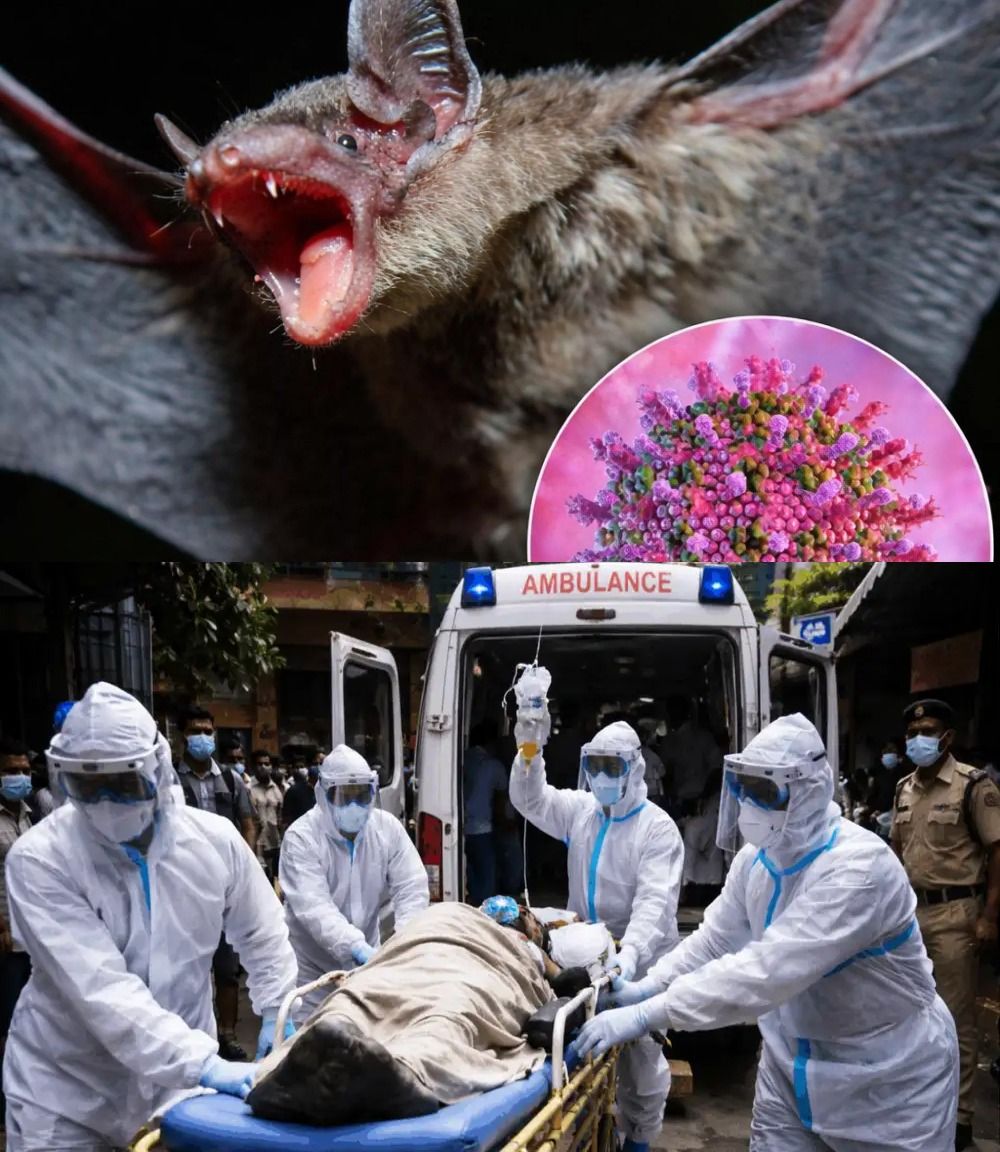
The Nipah virus is a zoonotic pathogen, meaning it can be transmitted from animals to humans and also between people. It was first identified in the late 1990s and has since caused sporadic outbreaks, primarily in South and Southeast Asia.
The Nipah virus (NiV) originates mainly from fruit bats of the genus Pteropus (flying foxes), its natural reservoirs in Southeast Asia and Oceania. First identified in Malaysia in 1998, the virus is transmitted to humans either directly or through intermediate hosts such as pigs, which are often contaminated by bat droppings.
Health authorities consider it a cause for concern for several reasons: it can cause severe illness, there is no specific antiviral treatment or approved vaccine, and some outbreaks have shown the capacity for human-to-human transmission, especially in close-contact settings such as hospitals or households.