On November 8, 1935, in the quiet Parisian suburb of Sceaux, a boy was born who would one day be hailed as one of the most handsome men in the world and an icon of international cinema. His name was Alain Delon, and his journey from an unsettled childhood to worldwide fame remains one of the most fascinating stories in film history.

For seniors who grew up watching the golden age of cinema, Delon’s name still carries the glamour of a bygone era — when movie stars were larger than life, yet deeply human beneath the surface.
A Childhood of Instability
Alain’s early years were far from easy. His father owned a small cinema hall, and his mother worked as a pharmacist. When the family business shifted, she later took a cashier’s job at the theater. But when Alain was only three years old, his parents divorced.
Both parents remarried, leaving Alain caught between two households. His stepfather was a butcher, and his mother worked alongside him in the shop. With little time to devote to their young son, the family hired a nanny to care for him.
In later interviews, Delon admitted that while he initially enjoyed the novelty of splitting time between two families, he eventually began to feel like no one truly cared for him. This sense of displacement left a mark that shaped much of his personality.
A Rebellious Student
School did not come easily to Alain. Bright but restless, he was known for mischief more than academic success. Teachers often found him unruly, and he was expelled multiple times, forcing him to bounce from one institution to another.
Eventually, he abandoned formal schooling altogether. Instead, he began training as a butcher, following in the footsteps of his stepfather. But the work failed to inspire him, and after three months behind the counter, he moved on to a series of odd jobs. One of those jobs was in a local shop; another was as a waiter. Each gave him discipline, but none hinted at the legendary career that awaited him.
The Army Years: A Turning Point
In his late teens, Alain enlisted in the French military. For a young man who had spent much of his life in rebellion, the discipline and rigor of army life were transformative. Delon later credited his service with teaching him responsibility and shaping the man he would become.
Those years instilled in him a new sense of purpose. When he returned from service, he once again found himself working in ordinary jobs, including waiting tables. But fate had other plans.
The Unexpected Road to Cinema
Alain’s entry into acting was almost accidental. His striking good looks and undeniable screen presence caught the attention of filmmakers and producers in Paris. By the late 1950s, he began landing roles in French cinema.
It didn’t take long for audiences to notice him. His piercing blue eyes, chiseled features, and charismatic aura made him a natural leading man. Critics soon dubbed him the “male Brigitte Bardot,” a symbol of French beauty and allure on the global stage
Stardom in the 1960s
The 1960s cemented Alain Delon’s place as an international film star. He appeared in a string of films that remain classics today, including:
-
- “Purple Noon” (1960): A stylish adaptation of Patricia Highsmith’s The Talented Mr. Ripley, where Delon’s performance as the charming yet dangerous Tom Ripley captured worldwide attention.
- “Le Samouraï” (1967): Perhaps his most iconic role, playing a stoic, disciplined hitman in Jean-Pierre Melville’s masterpiece. The film became a cornerstone of French New Wave cinema and influenced generations of directors.
- “The Leopard” (1963): An epic historical drama directed by Luchino Visconti, showcasing Delon alongside Burt Lancaster.
These films not only showcased his talent but also expanded his reputation far beyond France. Hollywood took notice, and Delon’s career became truly international.
A Symbol of Style and Masculinity
Delon’s appeal went beyond acting. He embodied a style and elegance that defined European masculinity in the 1960s and 70s. Tailored suits, trench coats, and his signature cool demeanor made him a fashion icon. Photographs of him walking through Paris or relaxing on the Riviera were as captivating as his on-screen performances.
For seniors who rmember the glamour of that era, Delon represented a time when cinema stars seemed untouchable — magnetic figures who defined beauty, sophistication, and intrigue.
Personal Struggles Behind the Fame
Yet, like many legends, Alain Delon’s personal life was complicated. His childhood feelings of abandonment sometimes spilled into his adult relationships. He was known for passionate romances, stormy breakups, and a headline-making lifestyle.
Despite his fame, Delon admitted to battling loneliness and insecurity. These complexities often gave depth to his on-screen characters, who frequently balanced charm with melancholy.
Later Career and Legacy
As the decades passed, Delon continued to act, taking roles that reflected his maturity and gravitas. Though his appearances became less frequent after the 1990s, his influence on cinema remained strong.
Directors from Quentin Tarantino to John Woo have cited Delon’s work — particularly Le Samouraï — as inspiration for their films. Even today, younger actors look to him as an example of screen presence and timeless style.
In 2019, Delon was honored with the Palme d’Or for Lifetime Achievement at the Cannes Film Festival, cementing his place among the greatest figures in world cinema.
Why Alain Delon Still Matters
For American seniors who grew up during the golden age of Hollywood, Alain Delon represents a bridge between European artistry and global stardom. He was part of a generation that believed film could be both entertaining and profound.
His story — from a troubled boy bouncing between families, to a rebellious teen, to a disciplined soldier, and finally to an international film legend — embodies resilience and transformation.
Delon once said, “I have been very lucky, but I also had to fight for everything.” His journey reminds us that even the most glamorous stars often come from humble, difficult beginnings.
Alain Delon’s life is more than a biography of an actor. It is a story of survival, reinvention, and timeless charm. For seniors who remember his films, watching him on screen was more than entertainment — it was witnessing the birth of a legend.
Though now retired from acting, Delon’s influence continues to echo through cinema, fashion, and popular culture. His films remain a window into a world where style met substance, and where one man’s journey from instability to international fame continues to inspire generations.
Stomach Cancer Symptoms: From Subtle Signals to Serious Red Flags
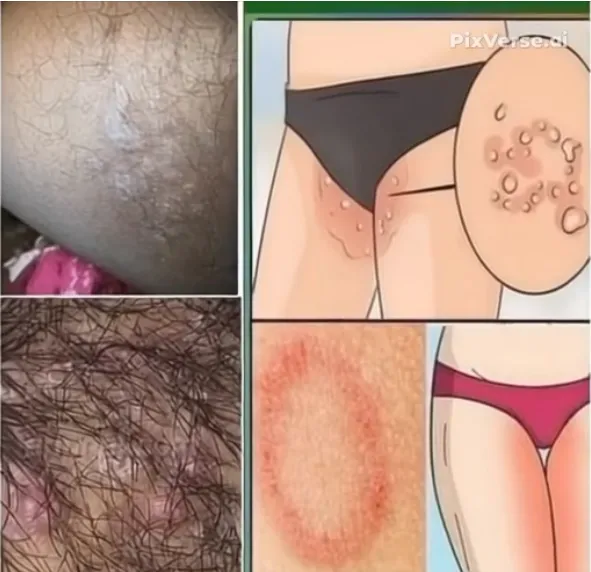
Is That Itch Just an Irritation—Or a Health Red Flag? What Your Groin Discomfort Might Be Telling You
That uncomfortable itch, burning sensation, or cluster of bumps in your groin might seem like a routine hygiene hiccup—but it could be your skin’s way of waving a red flag.
Many people shrug off groin irritation as a side effect of tight clothing, sweat, or hair removal. But sometimes, these symptoms are signs of deeper issues that shouldn’t be ignored.

Before you reach for the nearest ointment or brush it off as “no big deal,” it’s worth understanding the underlying causes. What seems like a minor nuisance could signal a developing infection, inflammation, or other dermatological concern.
Groin Irritation 101: What’s Going On Down There?
The groin area, being warm, enclosed, and often exposed to friction, is one of the most vulnerable regions for skin problems. Here’s a closer look at two of the most common culprits—and what to do if they show up.
1. Ingrown Hairs: A Common Post-Shave Troublemaker
Why They Happen:
Ingrown hairs occur when strands of hair curl back or grow sideways into the skin. This often leads to irritation, red bumps, and sometimes painful, pus-filled sores.
What Triggers Them:
- Close shaving or aggressive hair removal methods
- Tight or non-breathable underwear
- Coarse or curly hair types prone to looping under the skin
What They Look Like:
- Small, inflamed red or pink bumps
- Pus-filled pimples that may resemble acne
- Itching, tenderness, or slight swelling in the area
How to Treat Them:
- Apply a warm compress to reduce swelling and soothe the skin
- Use a mild exfoliant to prevent dead skin buildup
- Avoid shaving or waxing until healing occurs
- In severe cases, seek medical care to prevent infection
According to the American Academy of Dermatology, gentle skin care and proper shaving techniques can significantly reduce the risk of ingrown hairs.
2. Folliculitis: More Than Just a Rash
What It Is:
Folliculitis is inflammation of the hair follicles, usually due to bacteria (like Staph aureus), yeast,or even simple friction. It can develop after shaving, sweating, or sitting too long in damp clothes.
Why It Happens:
- Shaving or waxing trauma
- Wearing tight-fitting or synthetic fabric
- Hot tubs or poorly sanitized water
- Bacterial or fungal infections
Recognizing the Symptoms:
- Clusters of red or white-headed bumps
- Itchy, sore, or burning sensation around hair follicles
- Skin tenderness or increased sensitivity
Treatment & Prevention Tips:
- Keep the area clean with antibacterial soap
- Apply over-the-counter topical antibiotics or antifungal creams
- Use warm compresses to draw out inflammation
- Avoid tight clothing and give the skin time to heal
- For persistent or severe outbreaks, see a doctor—oral antibiotics may be required
Beyond the Surface: What This Means for Your Health
While most cases of groin irritation are treatable at home, recurring or worsening symptoms may indicate a deeper issue, such as a fungal infection, s*xually transmitted infection (STI), or even a dermatological disorder. Listening to your body—and acting on unusual changes early—can prevent more serious problems down the road.
The Bigger Picture: Body Awareness Matters
Whether it’s persistent itching in private areas, unexpected fatigue, or sudden skin changes, these signs are more than just annoyances. They’re your body’s way of sending a message. And in an age where health misinformation runs rampant, your best defense is education, vigilance, and proactive care. From recognizing early warning signs of illness to understanding psychological trends like extreme body modification, it’s clear that health isn’t just about what’s visible—it’s about tuning into the signals your body sends daily.
Final Takeaway
If you’ve been ignoring that groin itch, burning sensation, or strange bump—don’t. It could be harmless, or it could be your body urging you to pay attention. Take it seriously, treat it properly, and when in doubt, consult a healthcare professional. Early action can make all the difference in preventing complications and maintaining your well-being. When your body speaks, listen—because it often knows before you do.
Please SHARE this article with your family and friends on Facebook.