Understanding and Managing Black Widow and Brown Recluse Spider Bites
When it comes to spider bites, two species stand out for their potential danger: the Black Widow spider (genus Latrodectus ) and the Brown Recluse spider (genus Loxosceles ). Both possess venom that can cause serious medical conditions, so it’s crucial to act quickly and seek proper medical attention.
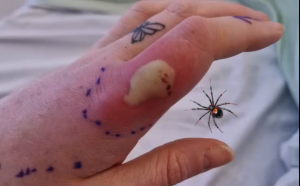
In this comprehensive guide, we cover how to identify these spiders, what to do in the event of a bite, and, most importantly, how to prevent these potentially dangerous encounters. Understanding these factors is crucial not only for individual safety but also for fostering greater awareness of the ecological role these spiders play.
Identifying the culprits: Black Widow and Brown Recluse spiders
Understanding the physical characteristics of these spiders is critical for identification and prevention. The Black Widow spider is easily recognized by its shiny black body and the distinctive red hourglass-shaped marking on the underside of its abdomen.
This species is primarily nocturnal and typically seeks refuge in undisturbed areas, such as woodpiles, corners of garages, and sheds. It’s important to note that females are significantly larger than males and are more likely to bite when threatened.
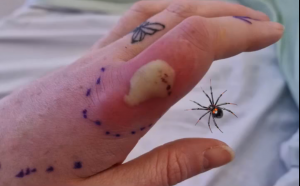
Initially, a black widow bite may not cause immediate pain, but symptoms can escalate rapidly. They usually manifest as severe pain, muscle cramps, sweating, nausea , and in severe cases, difficulty breathing within 15 to 60 minutes of the bite. The severity of symptoms can vary depending on the individual’s health and the amount of venom injected.